Some of the links in this article are "affiliate links", a link with a special tracking code. This means if you click on an affiliate link and purchase the item, we will receive an affiliate commission.
The price of the item is the same whether it is an affiliate link or not. Regardless, we only recommend products or services we believe will add value to our readers.
By using the affiliate links, you are helping support our Website, and we genuinely appreciate your support.
Understanding Healthy Eating in Townships
Let’s start by understanding what healthy eating means, especially in the context of townships. Healthy eating involves choosing foods that provide essential nutrients and energy to maintain health, feel good, and have energy. In townships, where resources may be limited, it’s important to focus on affordable and accessible options.
Why is Healthy Eating Important?
To explain this concept, we need to consider the role of nutrition in overall health. Research shows that a balanced diet can help prevent chronic diseases such as obesity, heart disease, and diabetes. The key point is that healthy eating supports physical and mental well-being.
Identifying Affordable and Nutritious Foods
Here’s how it works: finding affordable and nutritious foods involves identifying local resources and understanding basic nutritional needs. Think of it this way: a balanced diet includes vegetables, fruits, whole grains, proteins, and healthy fats.
- Vegetables and Fruits: These are rich in vitamins, minerals, and fiber. For example, leafy greens and citrus fruits can often be found at local markets.
- Whole Grains: Foods like brown rice and whole wheat bread provide essential carbohydrates and fiber.
- Proteins: Beans, lentils, and eggs are affordable sources of protein.
- Healthy Fats: Nuts and seeds offer healthy fats that are key for brain health.
Utilizing Local Resources
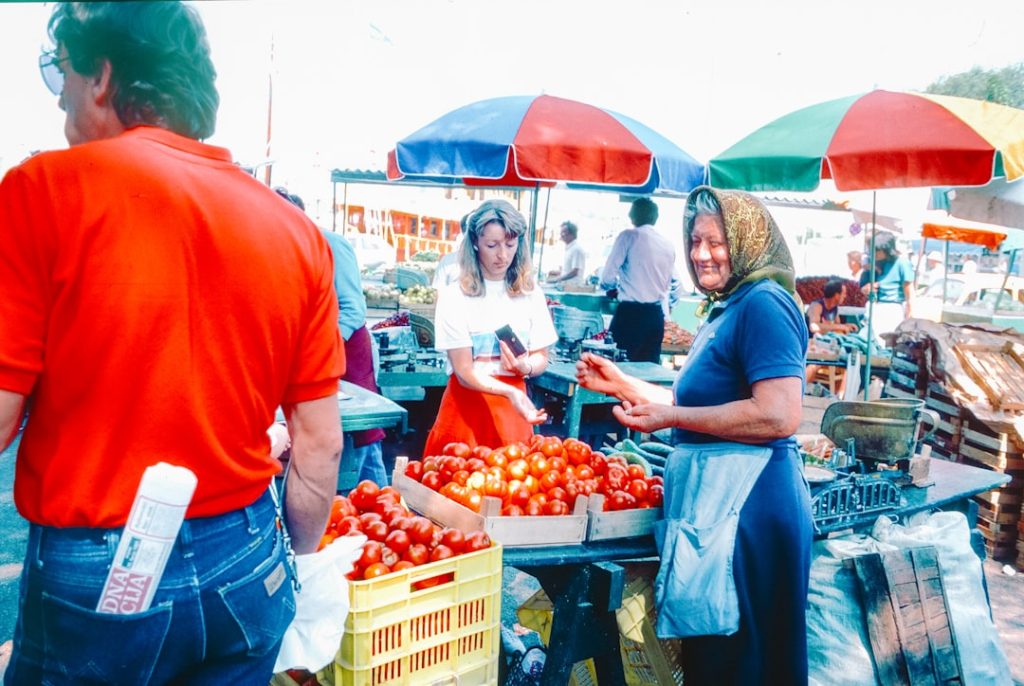
To further explore this, consider the availability of community gardens or local markets. Studies indicate that utilizing these resources can increase access to fresh produce. The key takeaway is that local initiatives can play a significant role in promoting healthy eating.
Challenges and Solutions
What this means is that while there are challenges in accessing healthy foods in townships, there are also solutions. Common challenges include limited access to diverse foods and financial constraints. However, community programs and education can help address these issues.
- Community Programs: Research shows that community-based programs can improve access to healthy foods.
- Educational Initiatives: Providing education on nutrition and cooking can empower individuals to make healthier choices.
Key Takeaways
In summary, understanding and implementing healthy food ideas in townships involves recognizing the importance of nutrition, utilizing local resources, and overcoming challenges through community engagement and education.
Summary
What you’ve learned is that healthy eating in townships is achievable through a focus on affordable and nutritious food options, leveraging local resources, and addressing challenges through community efforts. By understanding these concepts, individuals and communities can work towards better health outcomes.
Leave a Reply